Lasting Transformation
Series Overview and Soul Framework
Kickoff of a four-week transformation series
Week 1 (today): individual soul and interior transformation
Week 2 (Taylor): deep dive on the mind
Week 3 (Paul): relationships, family, friends
Week 4 (Taylor): church, city, world
Soul defined using Dallas Willard and Richard Foster’s framework
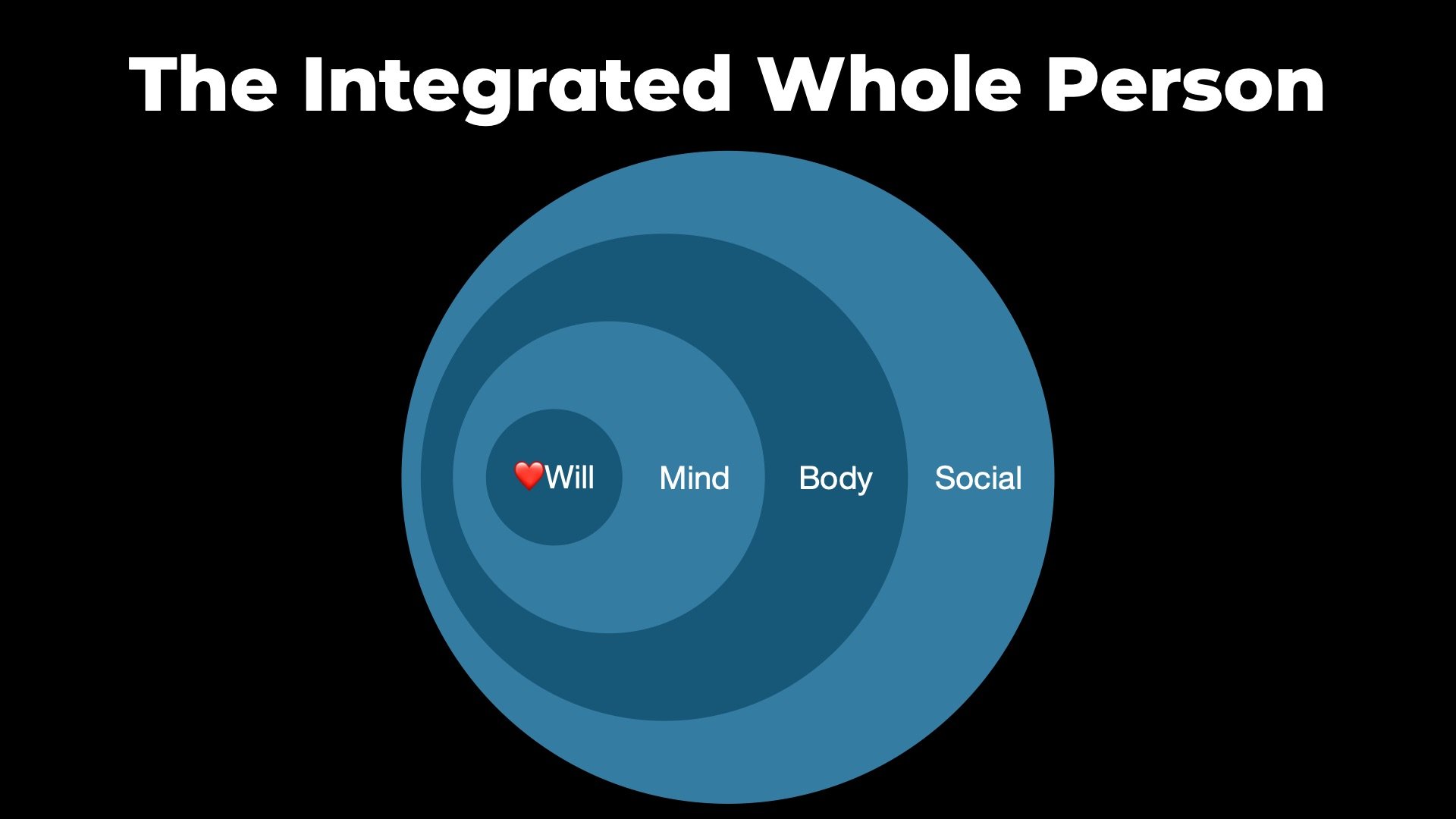
Concentric circles: heart/will at center, then mind, then body, then social
Hebrew word for soul: nefesh, the integrating factor of all parts
Will is the “chooser,” most reflective of being made in God’s image
Core tension: knowing truth but not experiencing it in every area of life
Example: choosing forgiveness in the heart, but mind replays the offense, body stays tense, relationship remains strained
Spiritual formation = gradual process of bringing the whole soul into harmony with what the heart has chosen under God’s grace
All Change Begins with God
Transformation is God’s work, not human striving
Richard Foster: “Inner righteousness is a gift from God to be graciously received”
Philippians 3:8-9, Ephesians 1:3, 1 Corinthians 3:21-23, Colossians 2:9-10
Christians “start from the finish line”: every blessing already available in Christ
The desire to change is itself evidence of the Holy Spirit at work
Genesis image: God hovering over the waters, creative brooding presence, new things spring forth
Distinction between religion and adoption
Religion: trusts disciplines to produce righteousness
Spirit of adoption: trusts the Father’s righteousness, received through faith; disciplines are how a child draws near to a good Father
Spiritual Disciplines and Process Moments
Richard Foster’s farmer analogy: farmer cannot grow grain, only creates conditions
“The disciplines are God’s way of getting us into the ground. They are where he can work within us and transform us.”
Disciplines alone do nothing; they place us where God can do the work
Breakthrough moments vs. process moments (John Mark Comer)
Breakthrough: freedom, healing, sudden encounters with God
Deep character change: byproduct of thousands of ordinary, planned moments of abiding
“Habits eat willpower for breakfast” (John Ortberg)
Our responsibility: teaching, practice (disciplines), and community
God does the heavy lifting; we create the conditions
Analogy: child cracks one egg, dad does everything, child says “we made this”
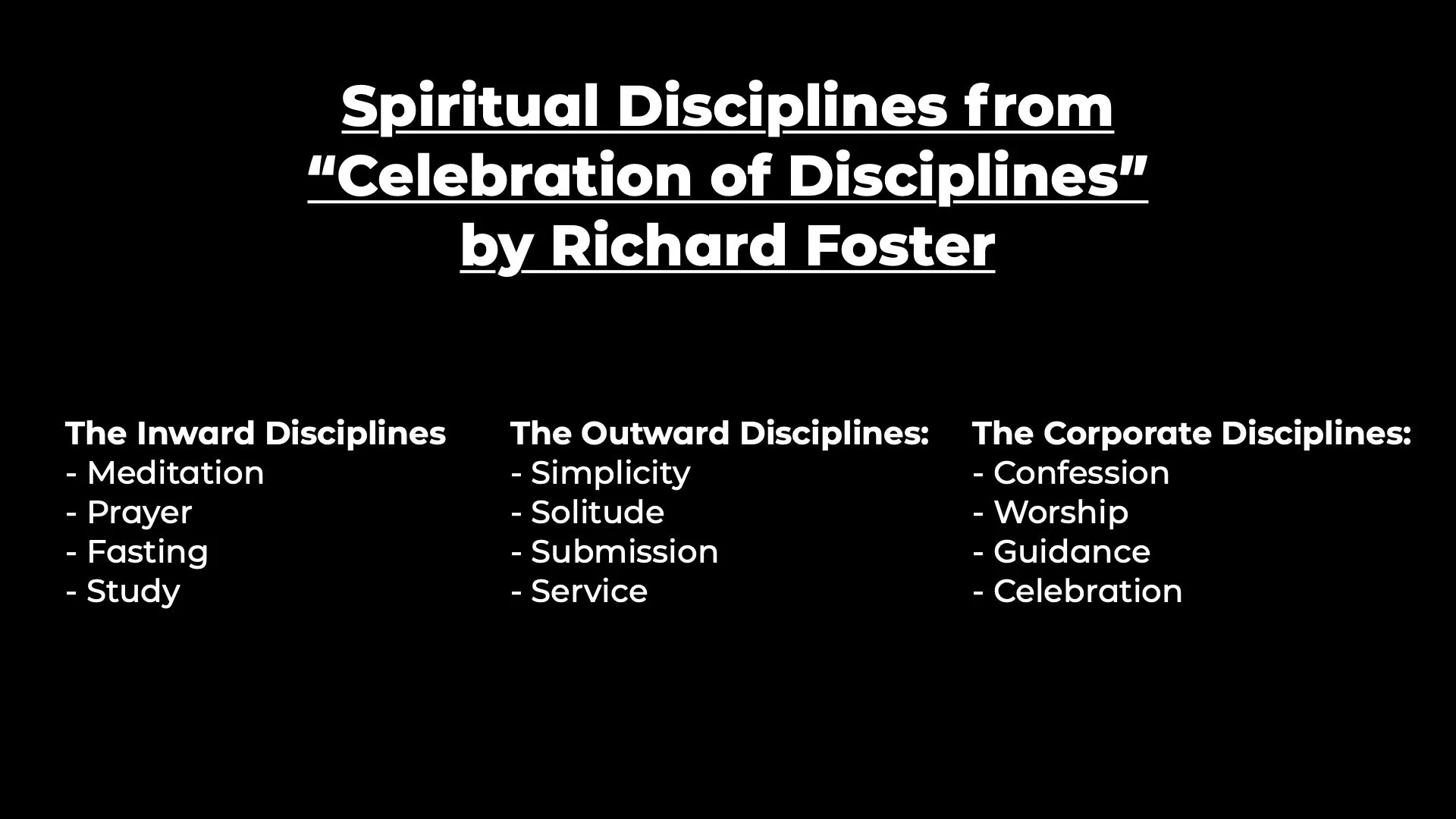
Richard Foster’s 12 disciplines (three categories):
Inward: meditation, prayer, fasting, study
Outward: simplicity, solitude, submission, service
Corporate: confession, worship, guidance, celebration
Personal examples shared:
Scripture index cards, morning quiet time chair (father’s prayer chair)
Romans 8:11 as an anchor scripture through a high-stress season
River birch limb illustration: cut from the vine, leaves brown within 24 hours
Friend’s testimony: daily Bible reading, prayer, and community drove deep transformation over five years
Reflection Questions and Closing
Reflection prompts offered to the congregation (from John Ortberg):
Is my will enslaved anywhere I need to surrender?
What habitual thoughts and desires run through my mind?
Are there emotions I need God to deliver me from?
Does my body need more sleep, better nutrition, or freedom from addiction?
Are there relational conflicts that need addressing? Do I have soul friends?
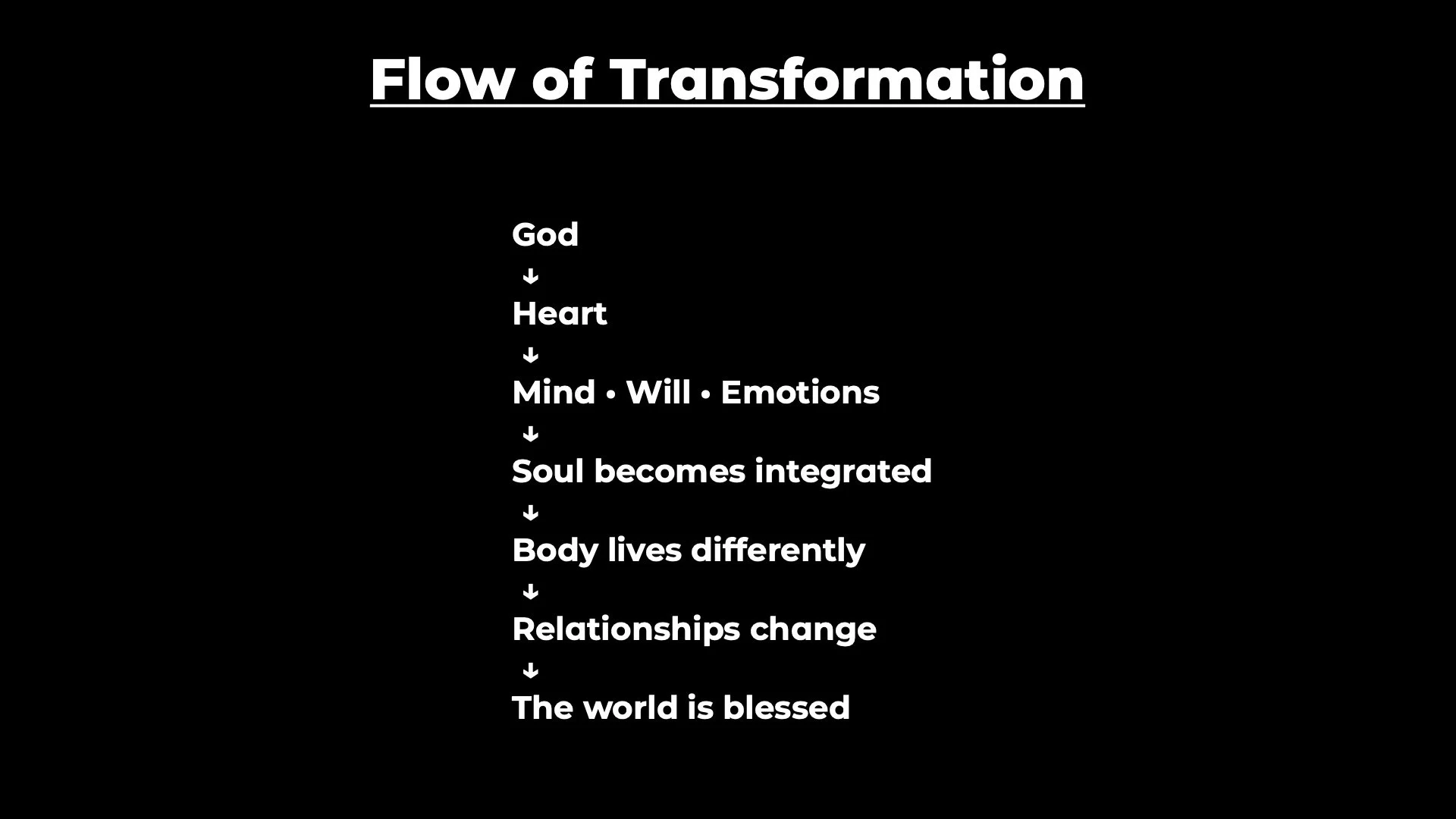
Flow of transformation: God changes the heart, mind and will integrate, body lives differently, relationships change, world is blessed
Illustration: one life (dad’s conversion at a Jesus film in the 70s) rippled to siblings, cousins, family, and beyond
Closing invitation: prayer for breakthrough, especially for 17-18 year olds; prayer team available