God’s Big Story: Exile
The Exile: Historical Context
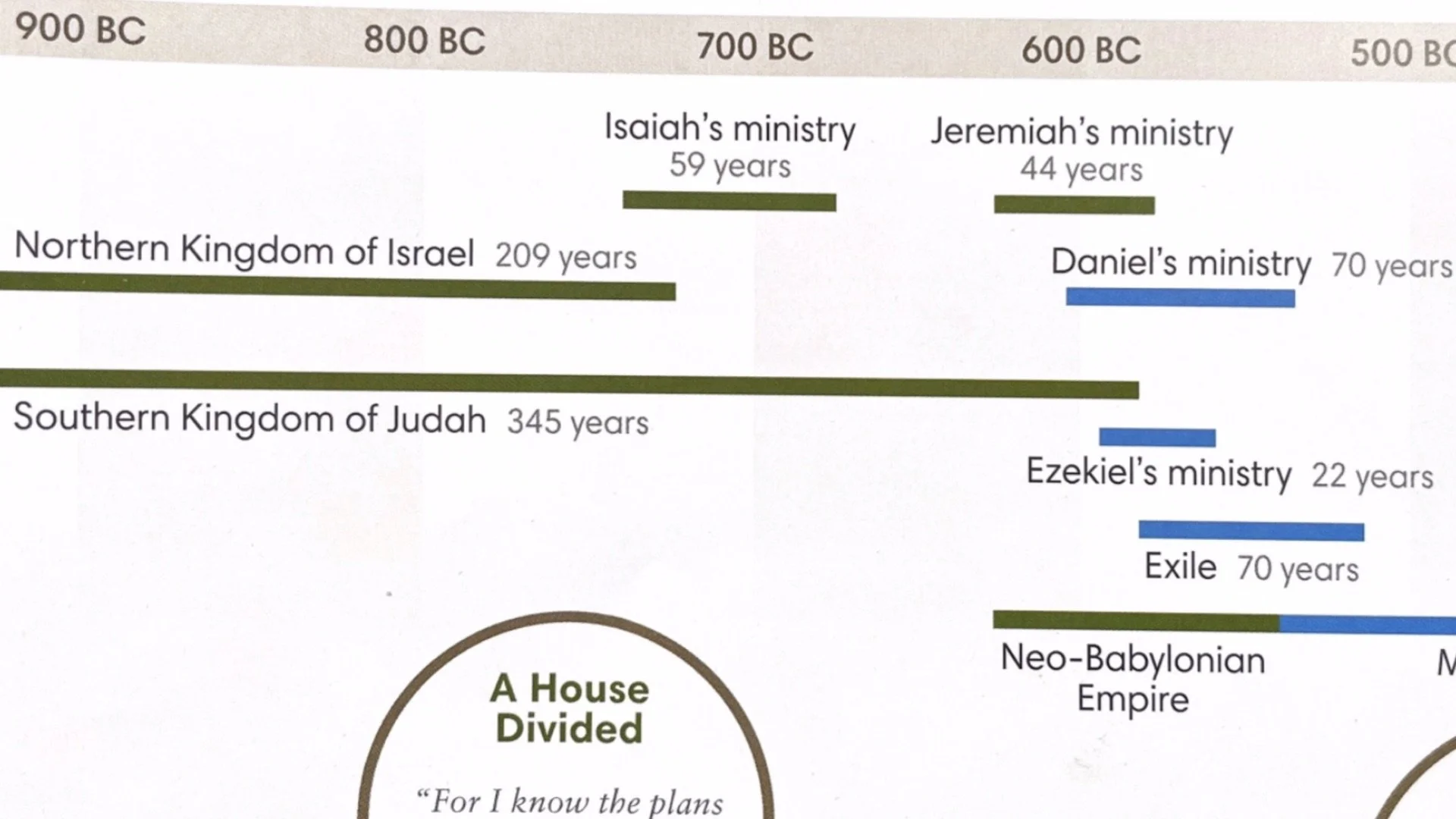
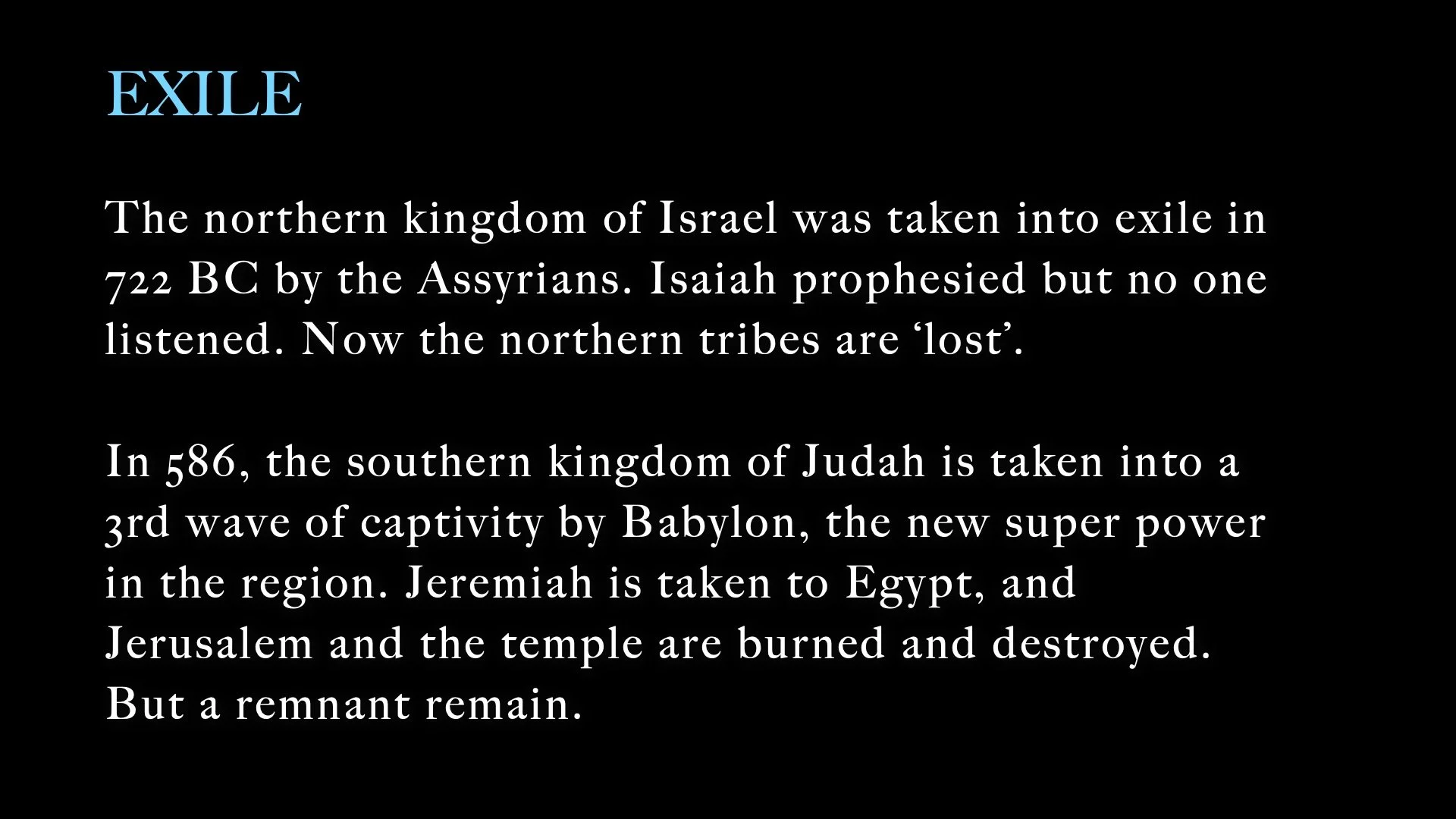
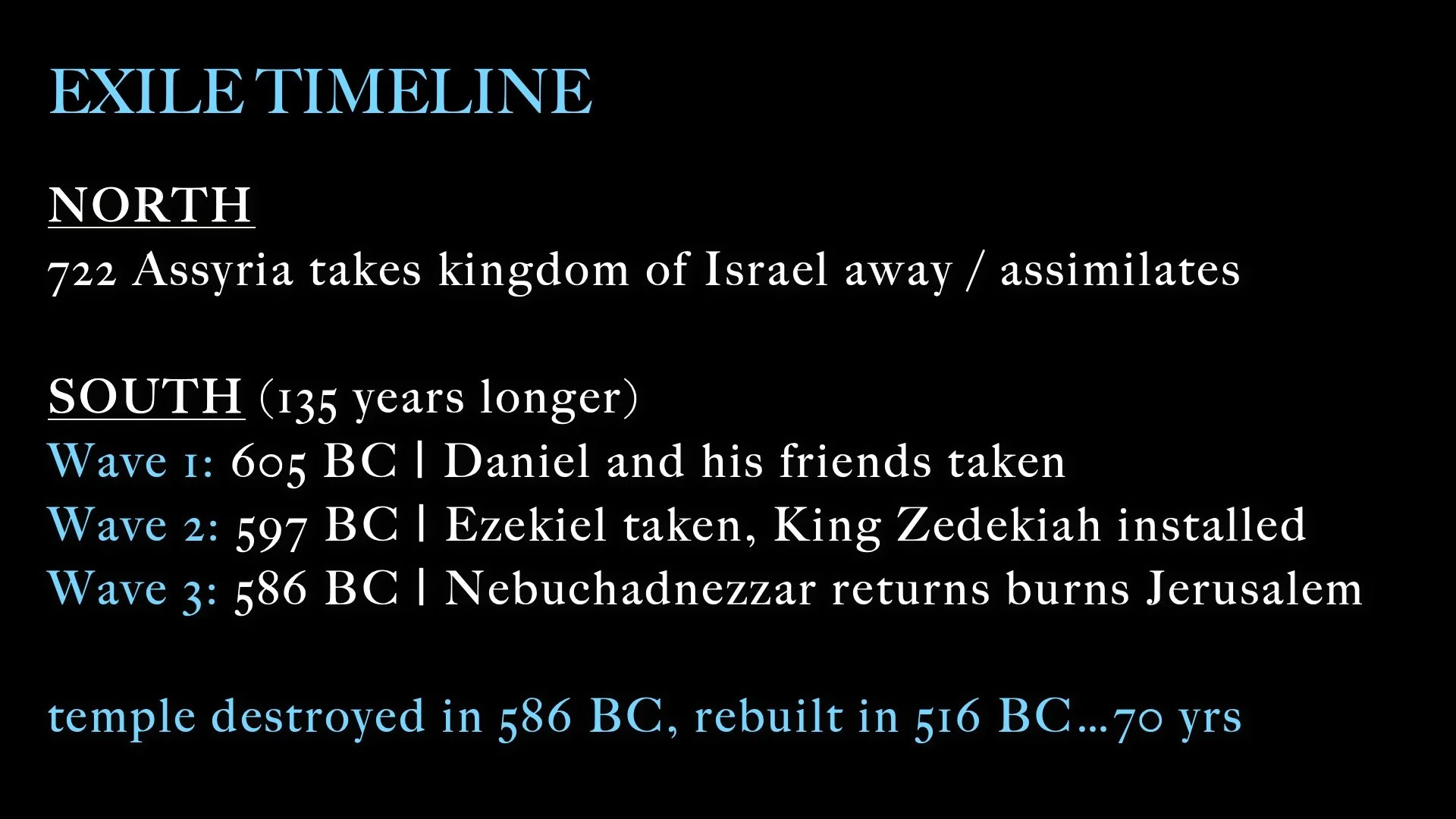
Northern kingdom (Israel) exiled by Assyrians in 722 BC
Isaiah prophesied but no one listened
10 tribes lost through Assyrian assimilation policy
Southern kingdom (Judah) taken by Babylon in three waves:
605 BC - Daniel, Shadrach, Meshach, Abednego taken (first wave)
597 BC - Ezekiel taken, Zedekiah installed as puppet king
586 BC - Jerusalem and temple destroyed after Zedekiah’s rebellion
70-year exile period (586-516 BC) from old temple to reconstructed temple
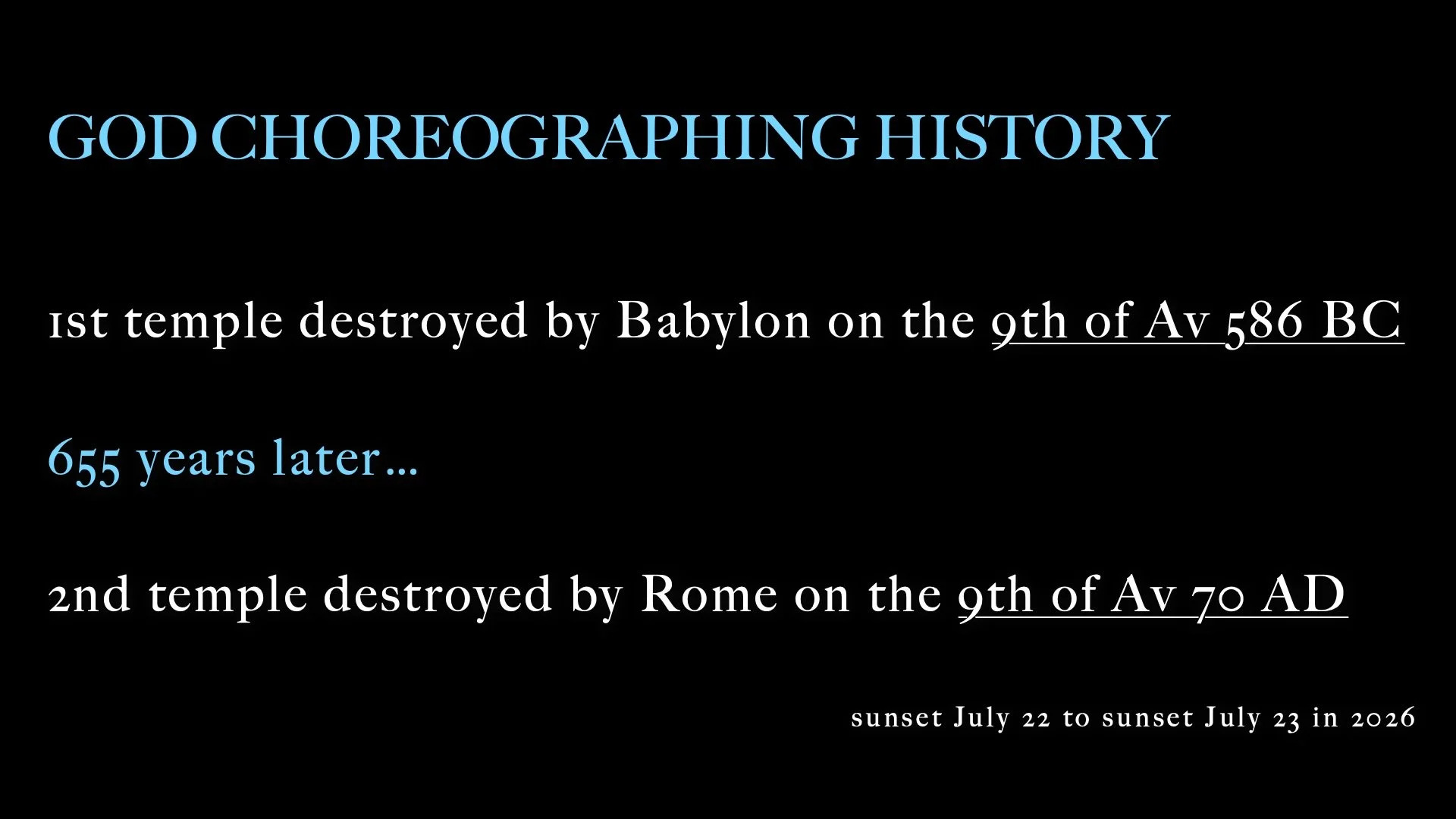
God choreographed history: both temples destroyed on same day (9th of Av), 655 years apart
Sabbath Year Judgment
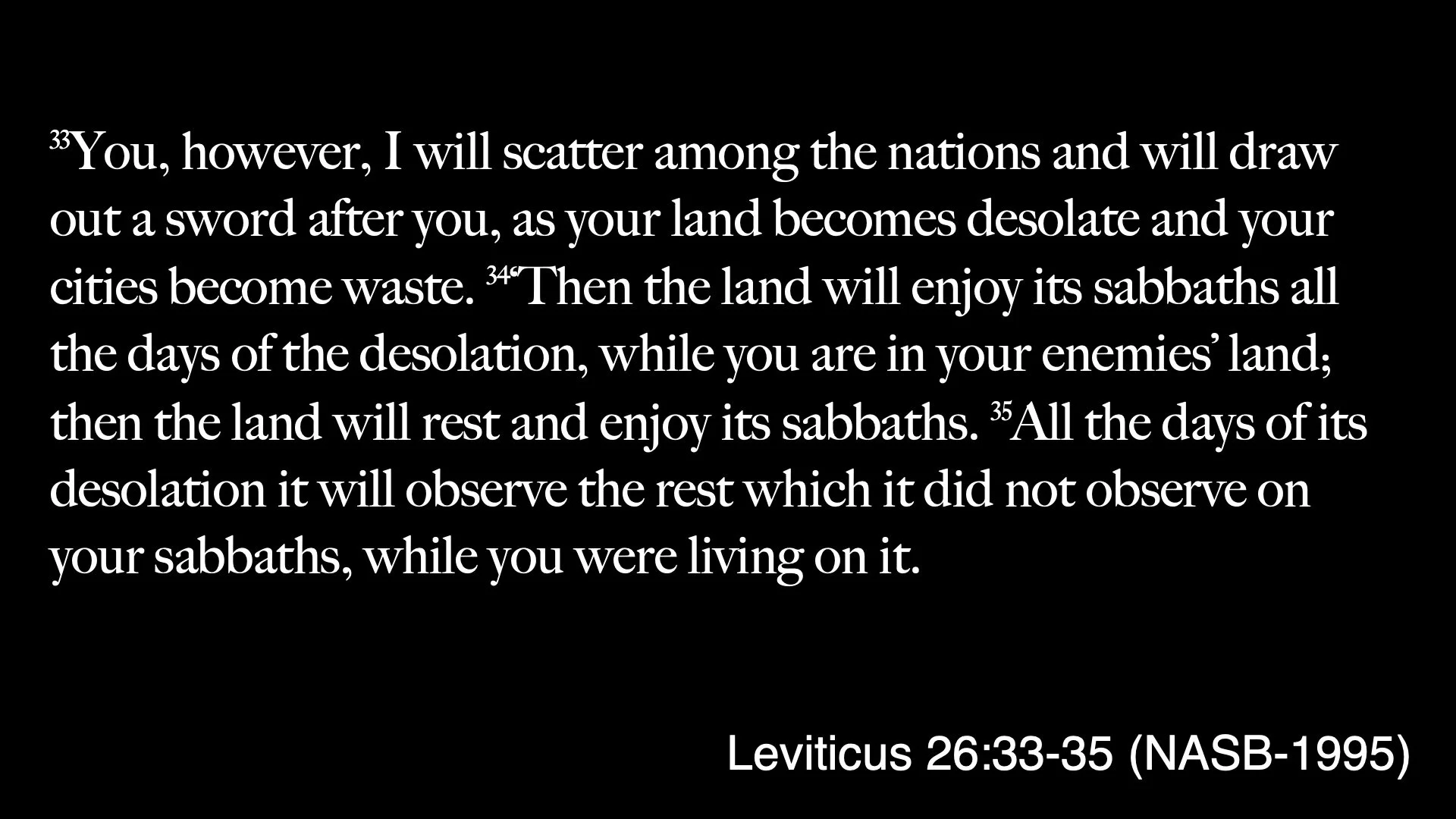
Israel commanded to observe sabbatical year (work 6 years, rest 1 year)
Never observed for 490 years (70 cycles missed)
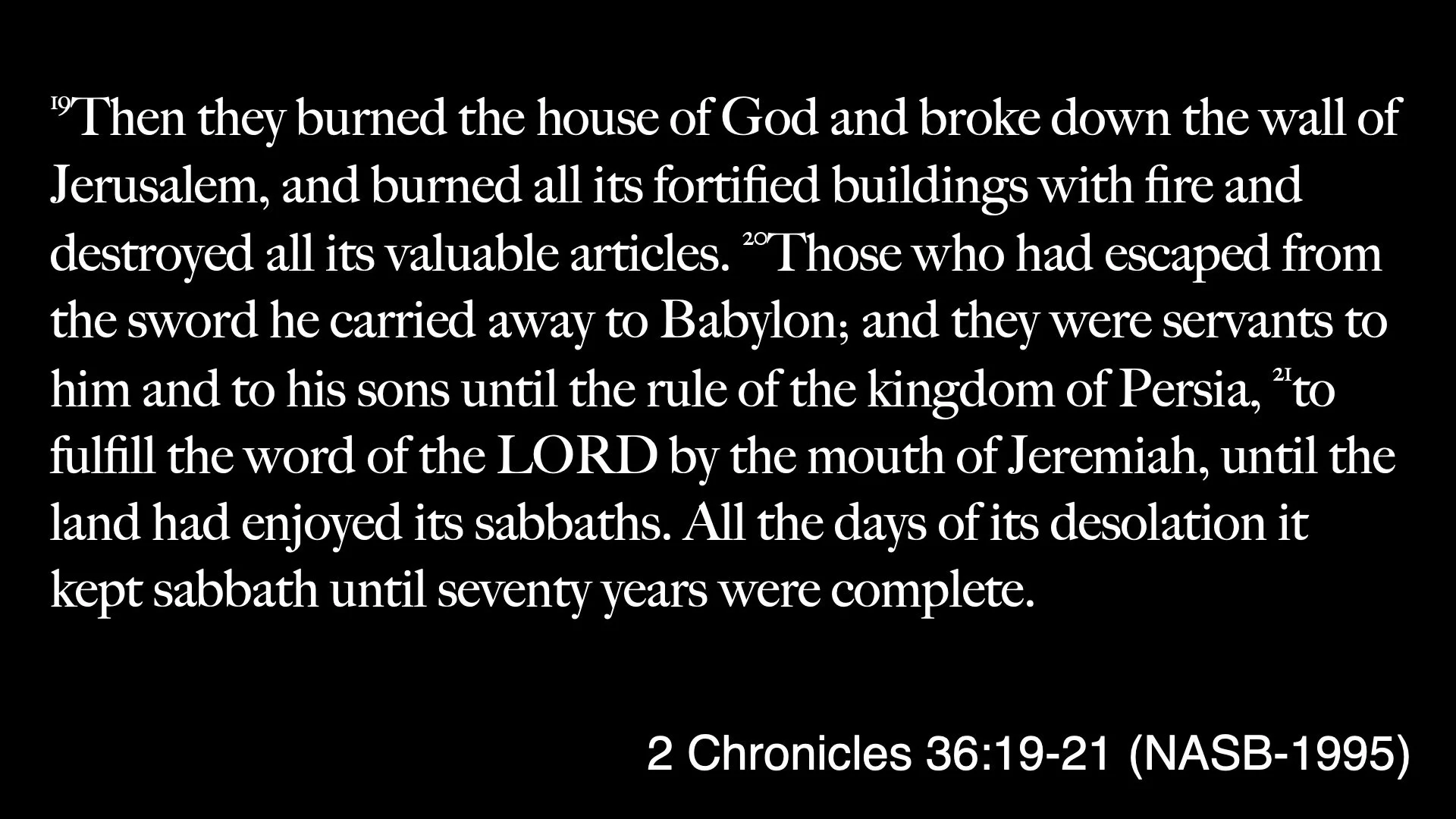
During 70-year exile, land received its missed Sabbath years
Demonstrates God’s love for rest and creation care
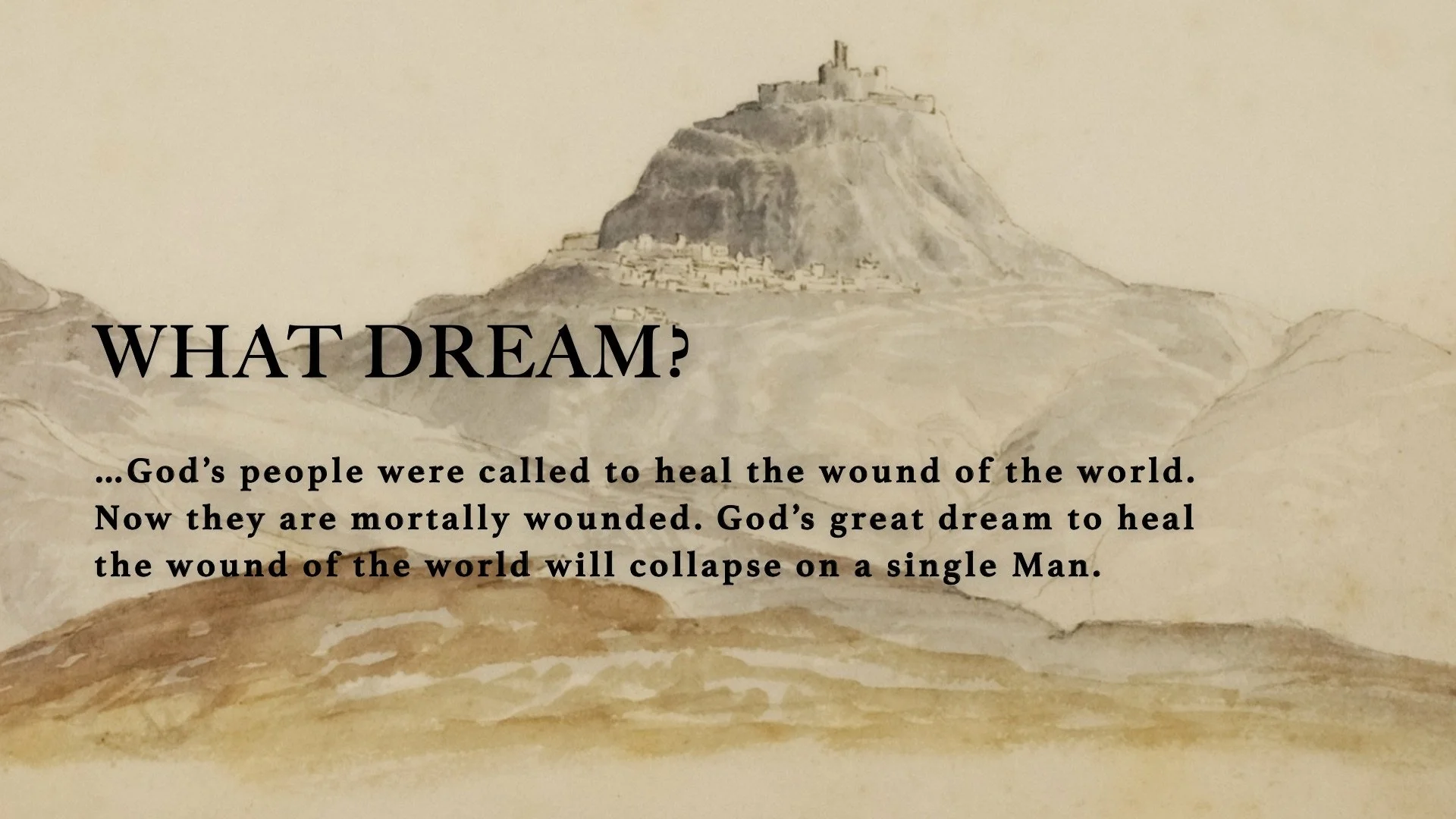
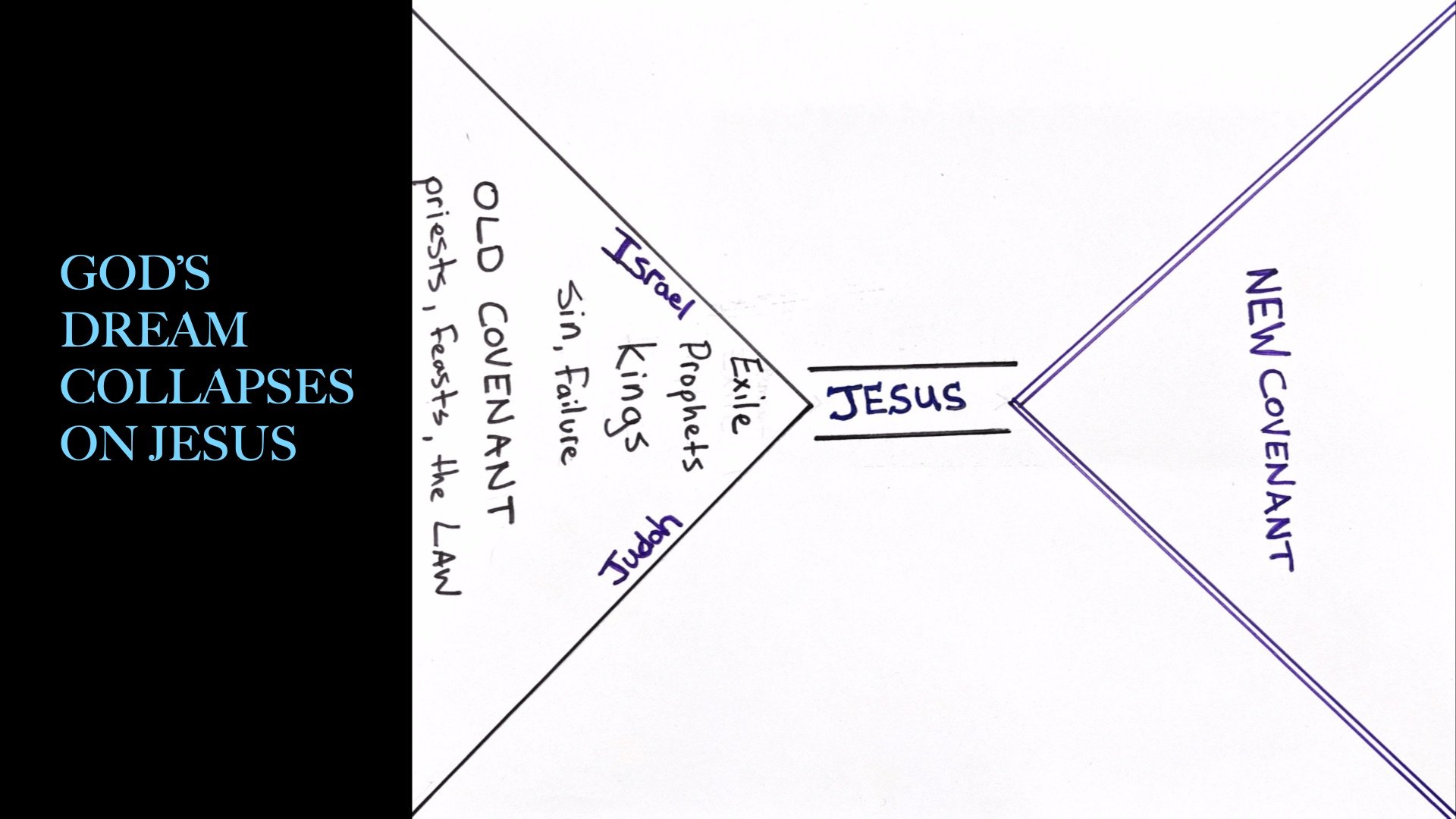
Lamentations 3: God’s Dream Collapsing on One Man
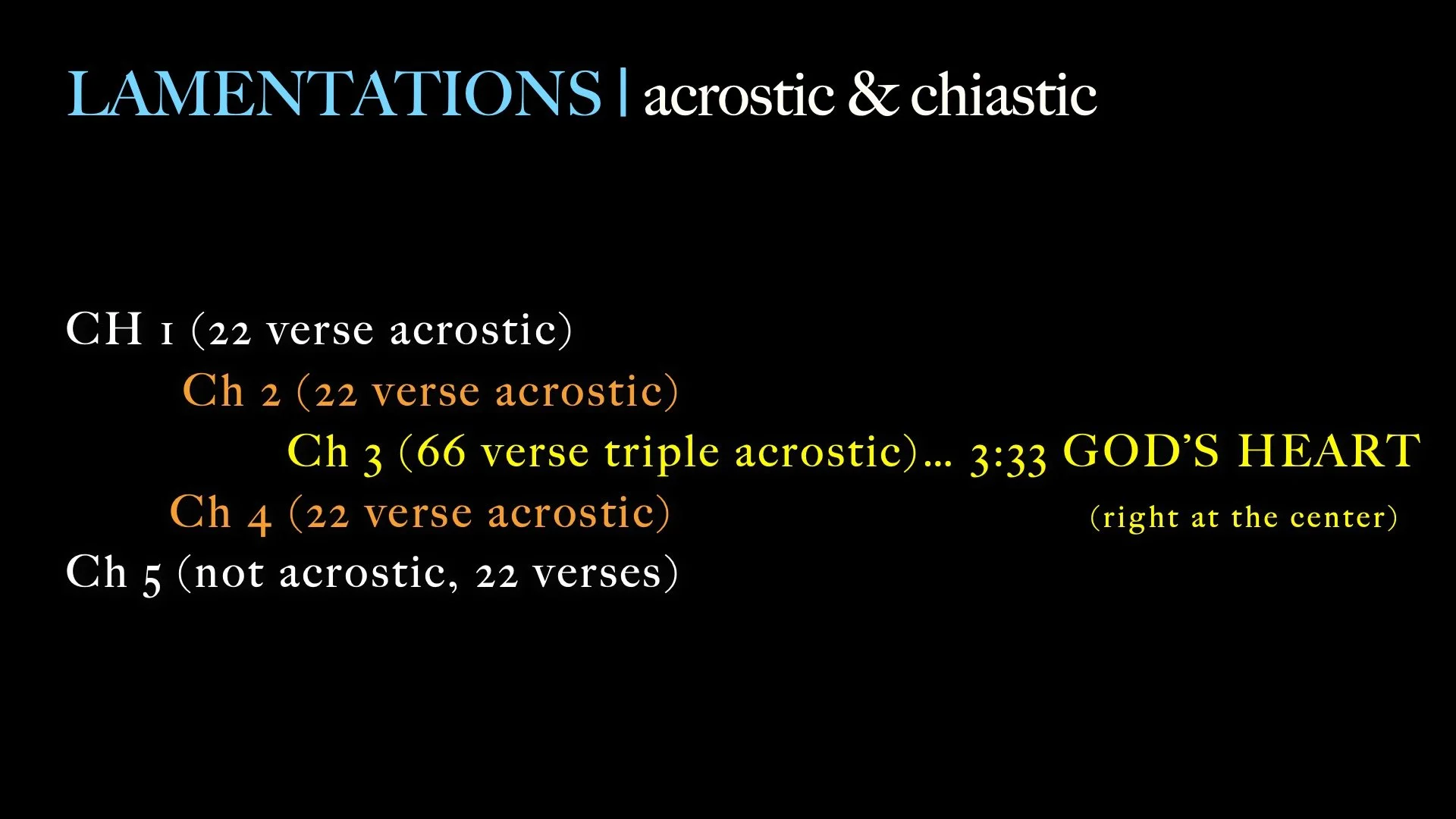
Book structure: chapters 1,2,4 are acrostics (grief A-Z), chapter 3 is triple acrostic
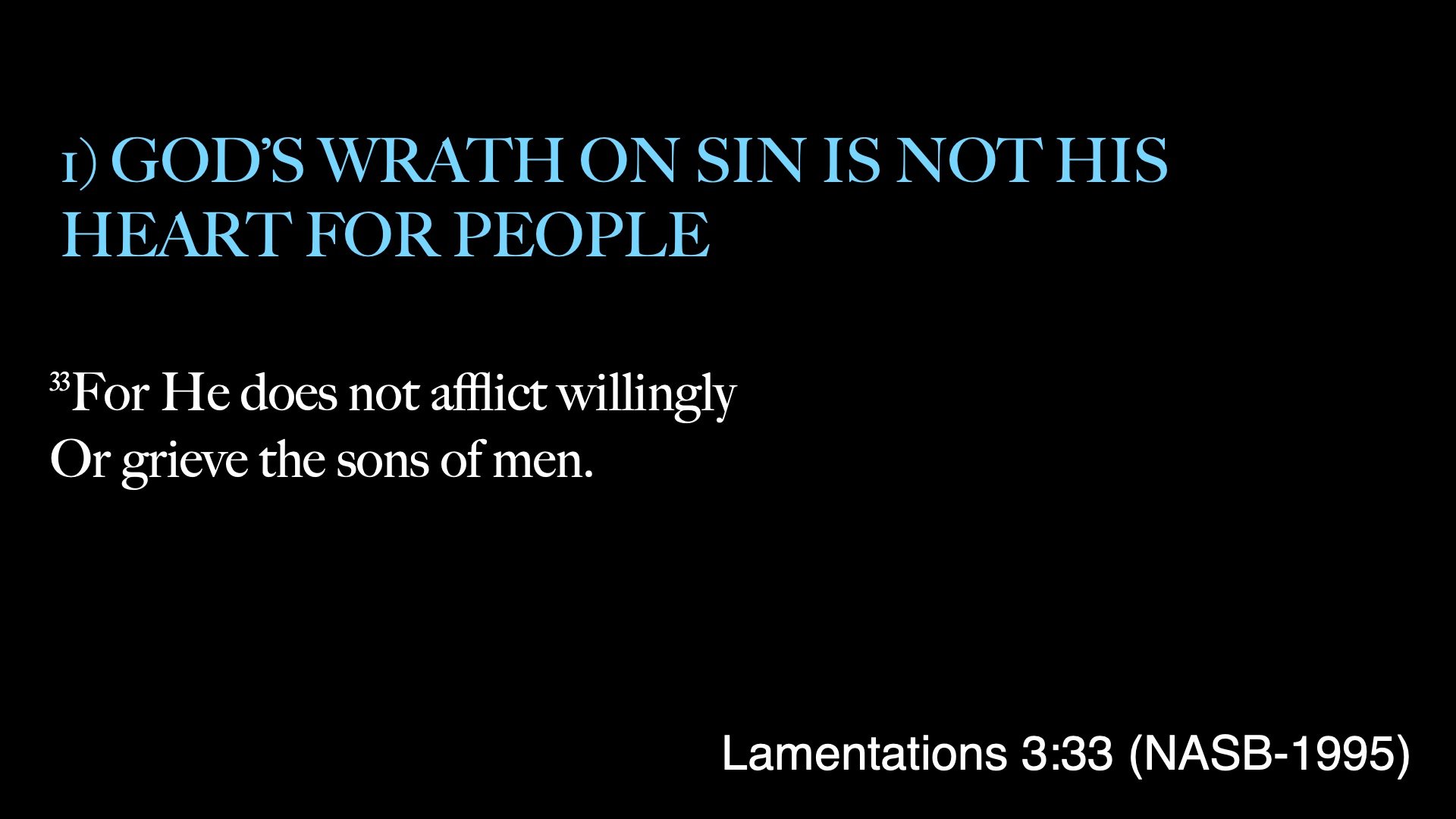
Center of book (3:33): “He does not afflict willingly” - not from God’s heart
Jeremiah represents all Israel’s suffering, pointing to Jesus:
“I am the man who has seen affliction” (v.1)
Darkness, struck, pierced, mocked, bitter drink, yoke laid on Him
All Old Testament collapse concentrated on single man: Jesus
Hope emerges from deepest grief:
“His mercies are new every morning” (v.23)
“Great is your faithfulness” (v.23)
At bottom of grief’s well: Jesus with resurrection hope
Spiritual Principles for Today
God’s wrath vs. God’s heart
Wrath deals with sin through justice
Love is God’s nature, wrath is necessary response to sin
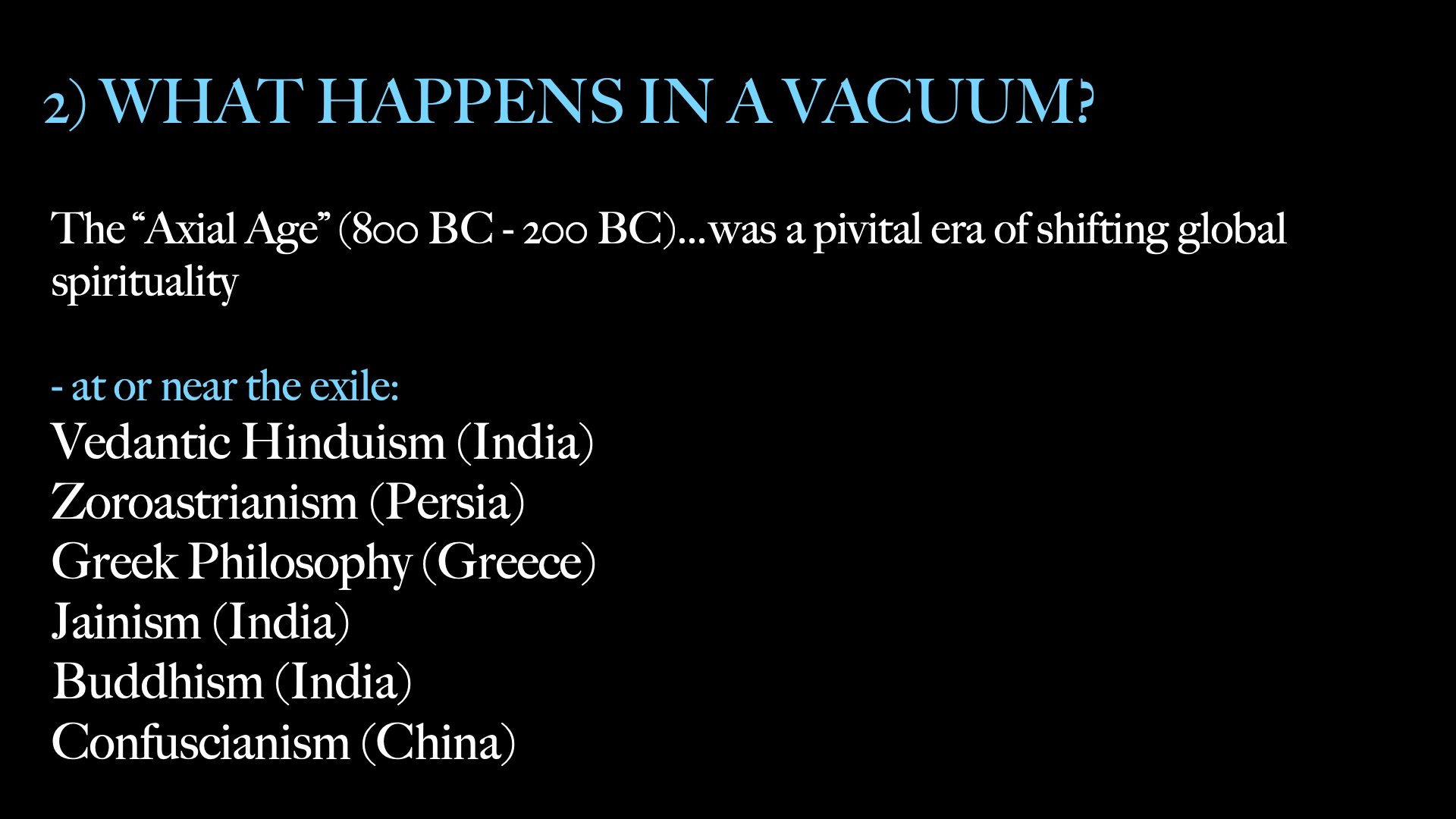
Spiritual vacuum during exile enabled emergence of:
Eastern religions: Hinduism, Buddhism, Confucianism, Jainism
Western philosophy: empiricism, rationalism, humanism leading to postmodernism
Jeremiah’s exile instructions:
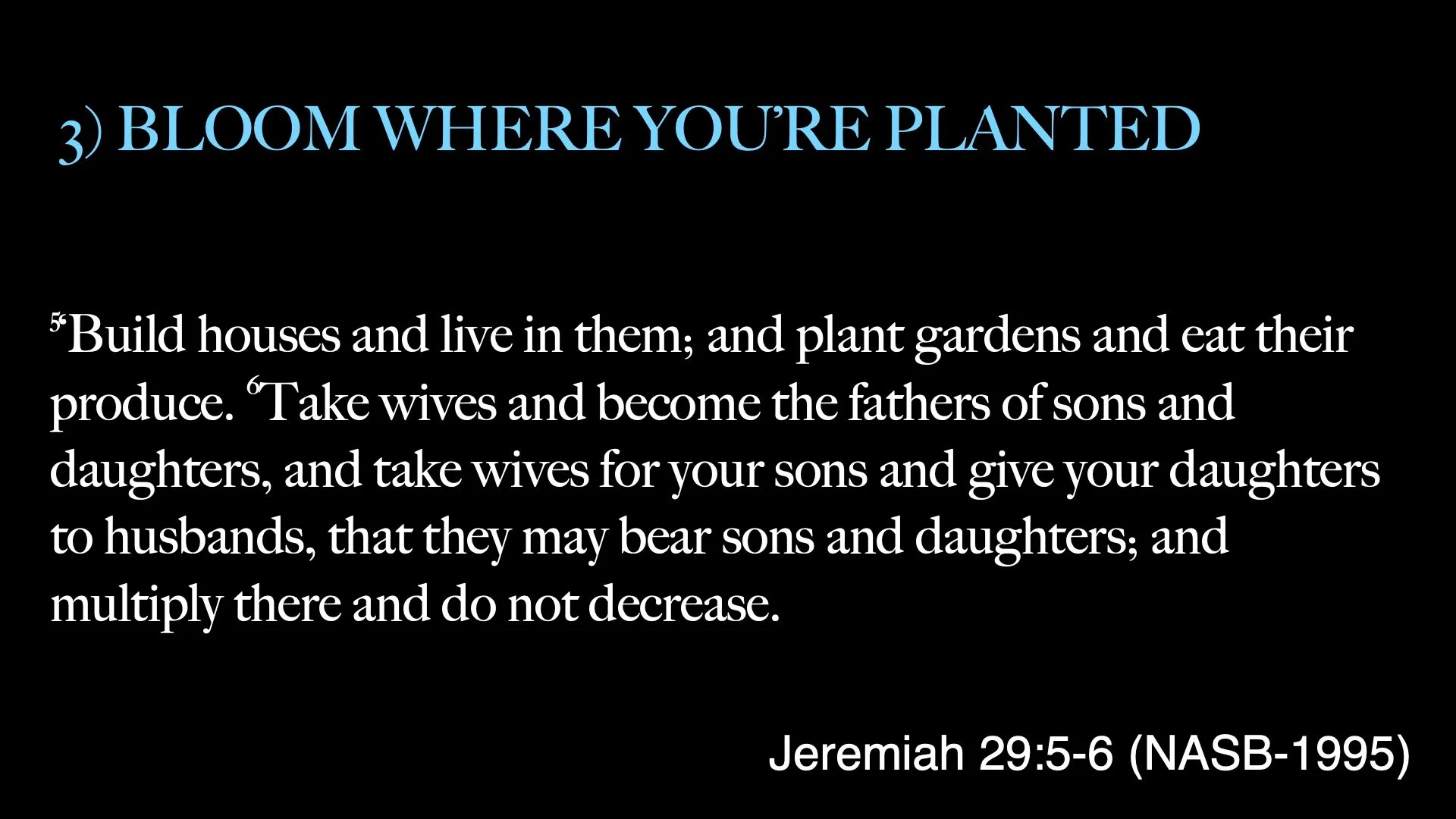
Build houses, plant gardens, multiply in Babylon
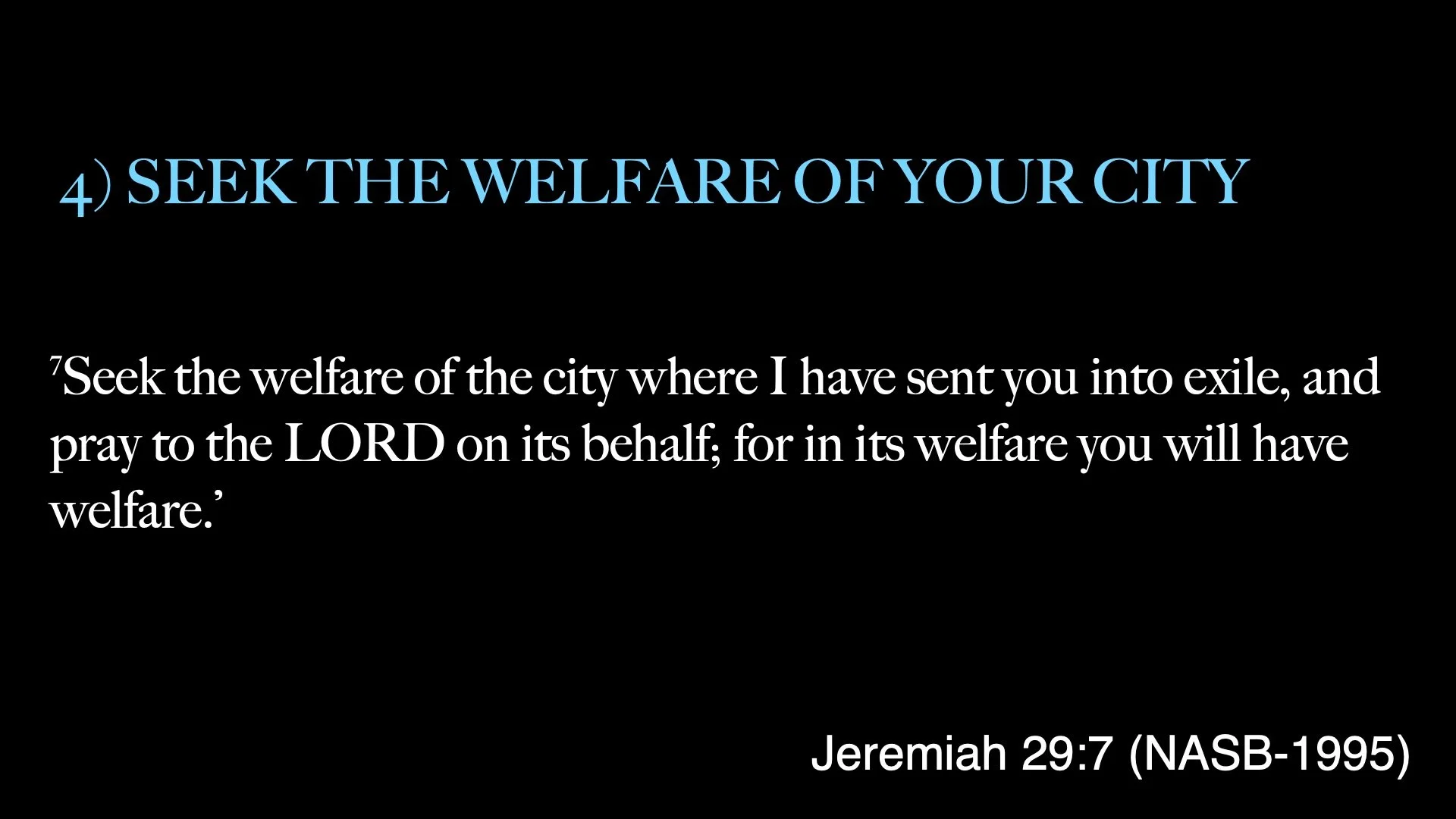
Seek welfare of your city and pray for it
God shows up even in exile
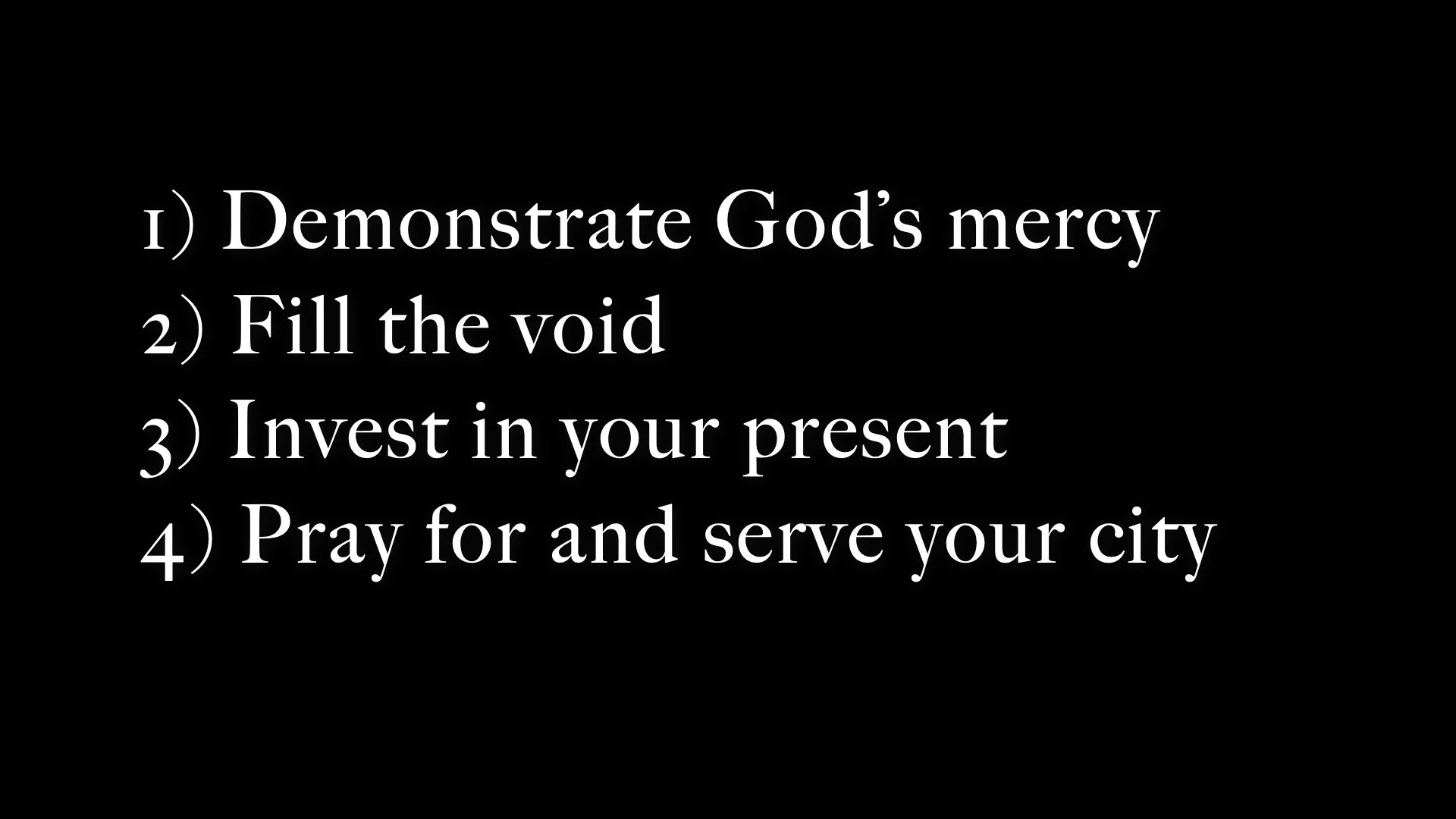
Live as prophetic act of God’s mercy, not wrath
Fill spiritual voids in current culture
Invest in present time rather than escapist mentality